

Message from the Directorを更新しました(Jan 1,2025)。
Exploring the History of Medicine, Part 51: Florence, Part 31

May 1, 2026
Tiber Island (continued)
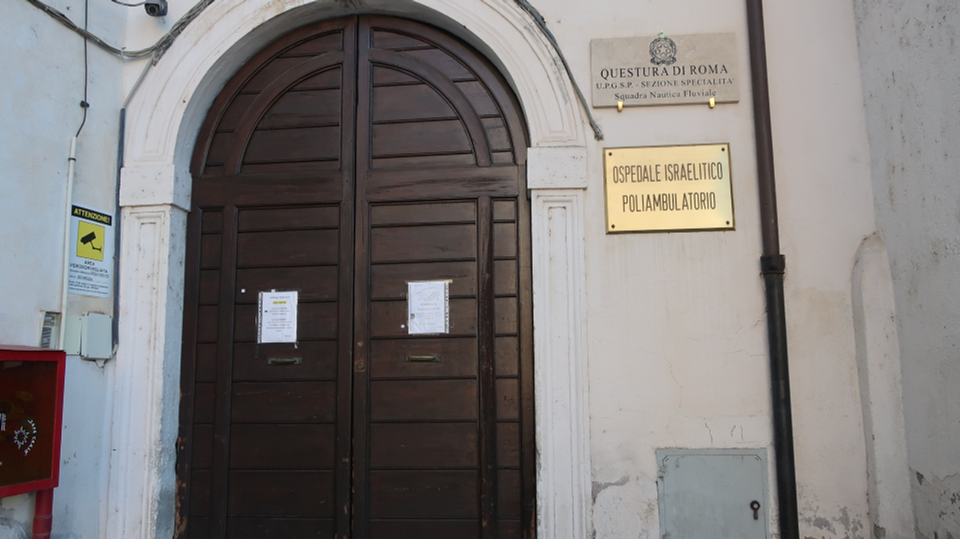
In the 1st century AD, Claudius I, the fourth emperor of the Roman Empire, built the first hospital on the site of the former Temple of Asclepius on the island.
This is therefore considered the oldest hospital in Rome and, consequently, the oldest in the Western world.
A hospital still stands on this site today, although it is no longer in operation.
In the 10th century, Otto III constructed a church adjacent to the hospital.
It was renovated in the 12th century and became the Church of St. Bartholomew.
The church later suffered damage from repeated flooding, and in the 17th century it was rebuilt in the Baroque style by Orazio Torriani, featuring a colonnade and a two-tiered façade.
The bell tower at the rear left dates back to the 12th century and is in the Romanesque style.
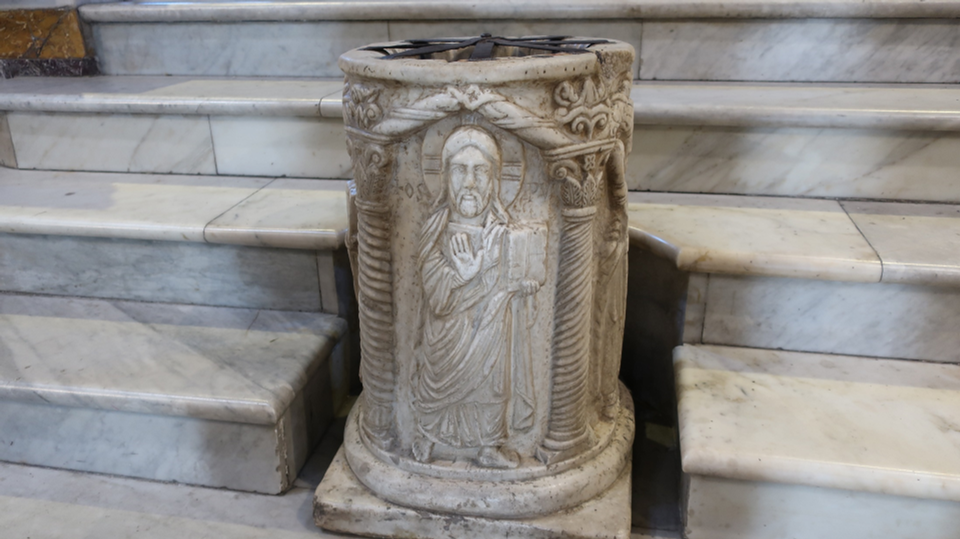
Inside, along the staircase leading to the sacristy, a well still remains.
During the time of the Temple of Asclepius, this well was used to draw sacred water for ritual purification.
Purification of the body was regarded as the very foundation of healing.
Although sculptural decoration was added in the 12th century, the well itself has survived in essentially its original form from the 3rd century BCE.
At the top of the staircase rests the body of St. Bartholomew.
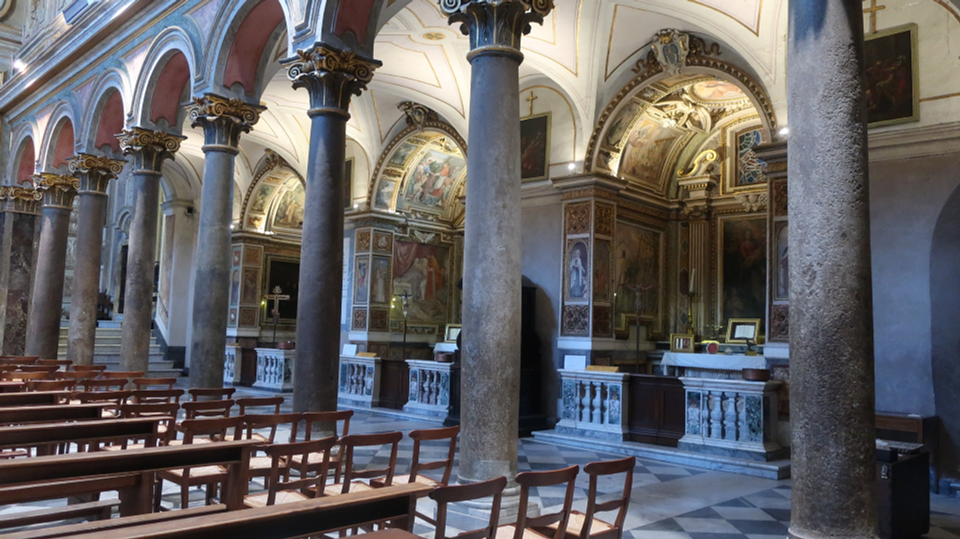
The columns inside the church are also original to the Temple of Asclepius and have been reused as they were.
These ancient stone columns, dating back some 2,300 years, evoke a profound sense of history and quiet awe.
St. Bartholomew (Greek: Bartholomaios) was one of the Twelve Apostles of Jesus in the New Testament.
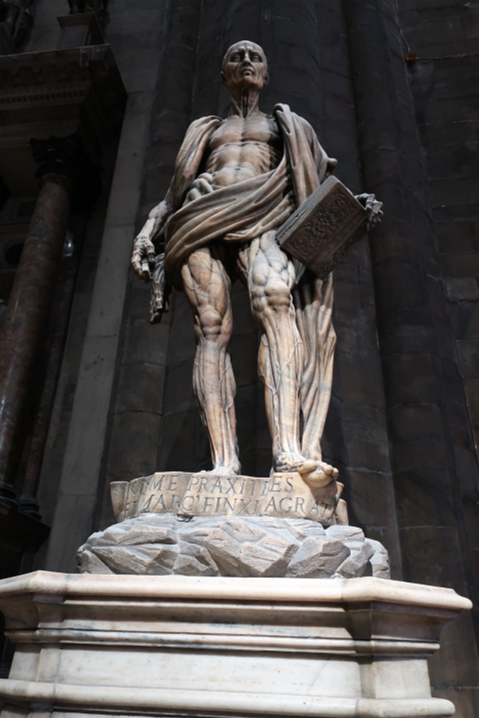
He was captured while preaching in Armenia and was martyred—flayed alive and crucified upside down.
In The Last Judgment in the Sistine Chapel, painted by Michelangelo, he is depicted holding a knife and his own flayed skin.
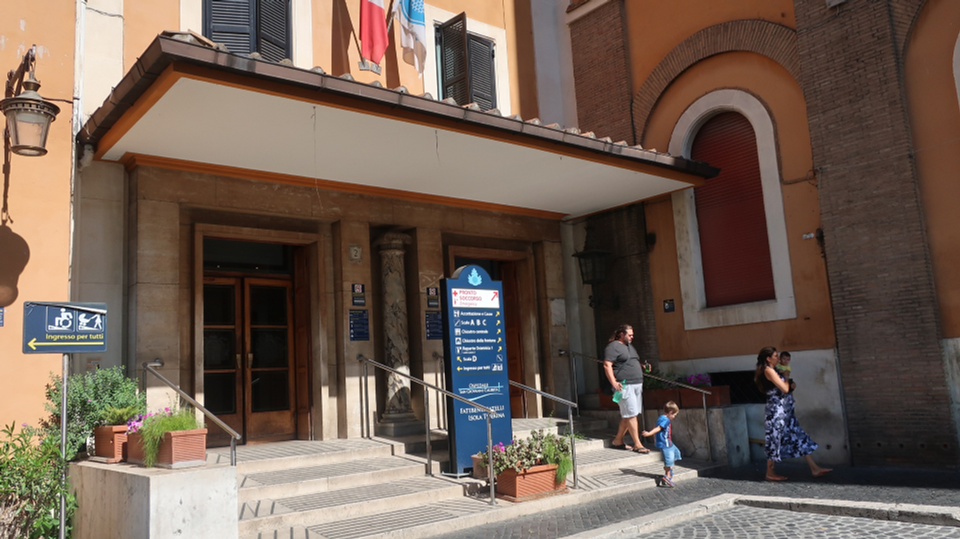
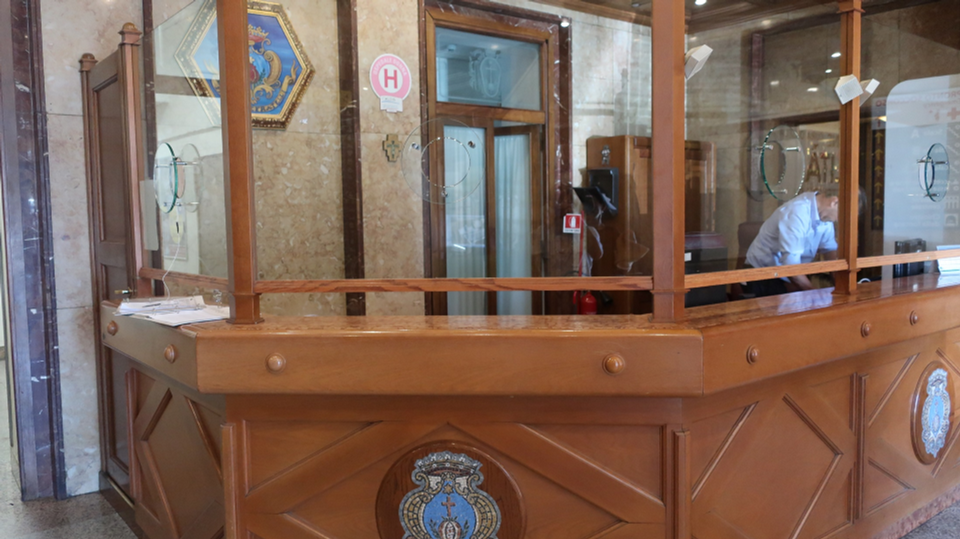
There is another hospital on this island.
It is called the Fate Bene Fratelli Hospital.
During the great plague epidemic of the 17th century, it was built to isolate and house patients in order to prevent the spread of disease.
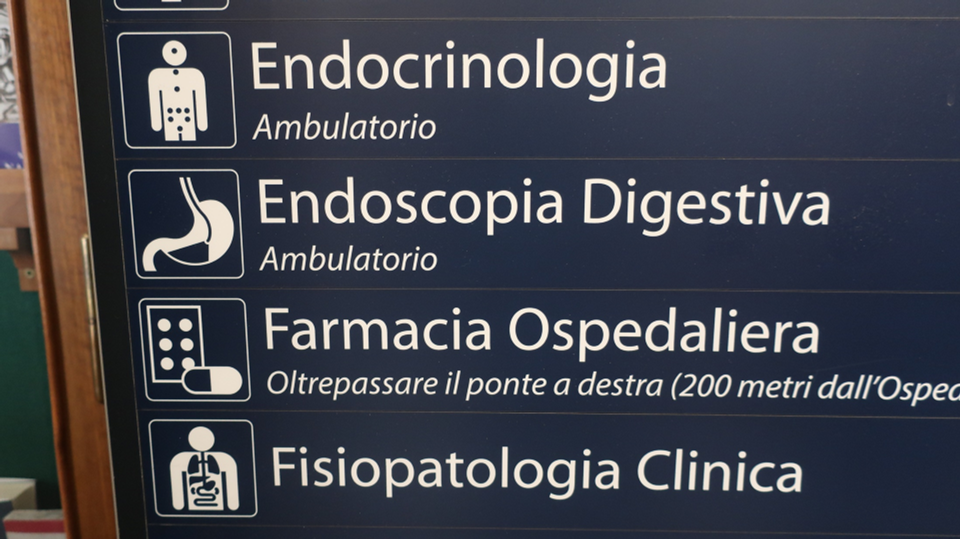
Though somewhat aged in appearance, the hospital offers departments such as gastrointestinal endoscopy and cardiology, much like hospitals in Japan.
コメントをお書きください